Tungsten Carbide Saw Blades: Top Consumer FAQs & Buying Guide
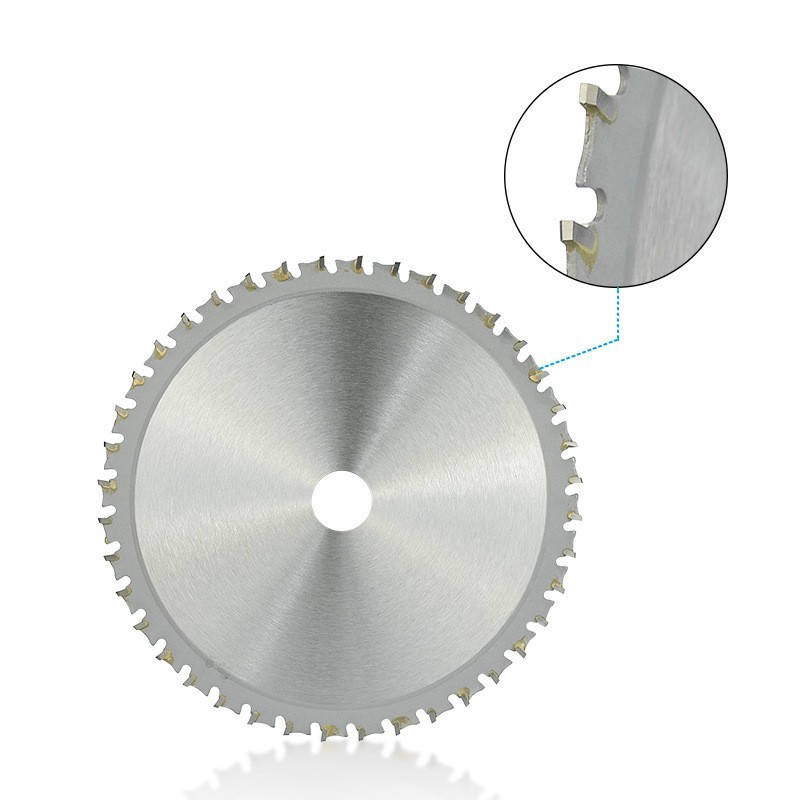
Tungsten carbide saw blades are a top choice for DIY enthusiasts and professional woodworkers, metalworkers, and contractors. Known for exceptional durability and precise cutting performance, these blades outperform standard steel blades in most heavy-duty and daily cutting tasks. If you are new to carbide-tipped saw blades, you may have key questions before purchasing. Below we answer the most common consumer questions to help you make a smart buying decision.
1. What makes tungsten carbide saw blades better than regular steel blades?
Unlike standard high-speed steel (HSS) blades, tungsten carbide saw blades feature ultra-hard carbide tips on each cutting tooth. Boasting superior wear resistance and thermal stability, they stay sharp 15 to 25 times longer than ordinary steel blades. They resist heat damage during high-speed cutting, avoid frequent dulling, and deliver consistent, smooth cuts. Though they have a slightly higher upfront cost, their long service life makes them more cost-effective for long-term use.
2. What materials can tungsten carbide saw blades cut?
These versatile blades fit most common cutting scenarios. They work perfectly for softwood, hardwood, plywood, MDF, OSB, and laminated wood materials. They also handle plastics, PVC, and lightweight non-ferrous metals like aluminum and copper. Ideal for both home DIY projects and industrial batch cutting, they produce clean, chip-free cuts with minimal burrs.
3. Are tungsten carbide saw blades worth the investment for casual users?
Absolutely. Even for occasional users, carbide blades eliminate the hassle of frequent blade replacement and repeated sharpening. They can be resharpened multiple times to extend service life, reducing long-term tool costs. They also deliver smoother cuts with less material waste, improving cutting efficiency and finished work quality for every project.

Quality Tungsten Carbide tip
Different color coating
Size: 114mm-300mm
Durable and long life
Post time: Sep-20-2026